
The Foundation supports a Diversity, Equity, and Inclusion (DEI) Travel Grant program designed to support practicing pharmacists who are experiencing financial challenges preventing attendance at the AAPP Annual Meeting and working on a DEI-related initiative, ideally impacting either the development of psychiatric pharmacists or impacting the advancement of patient care for those living with mental illness, including substance use disorders. Recipients must present an Idea Exchange about their DEI initiative(s) at the AAPP Annual Meeting the following year. Up to two, $2,500 grants will be awarded annually.
2026 Grant Recipient
Congratulations to the 2026 grant recipient, Dr. Melanie Rovelo. Learn more about her DEI initiative through the links below and at the DEI Idea Exchange at AAPP 2026.
 | Melanie Rovelo, PharmD, Clinical Assistant Professor, Nova Southeastern University College of Pharmacy, Miami, FL Medication Education Sessions in Three Languages in a Psychiatric Hospital SettingProgram History: As a practicing clinical pharmacist at South Florida State Hospital, a civil and forensic psychiatric hospital in Pembroke Pines, Florida, Dr. Rovelo advocated for and developed the first medication education group sessions offered to patients at this site. The medication education sessions featured material with patient friendly language in the three most spoken languages by patients in the hospital, English, Spanish and Creole. Goals: Many of the patients at South Florida State Hospital are immigrants and have English as a second language or heavily require translation services. The purpose of the medication education groups and resources provided in English, Spanish, and Creole are to remove stigma, encourage patient participation in their own disease state management, improve insight into the disease state, improve medication adherence, and potentially allow patients to remain stable on their regimens post discharge to reduce the frequency of readmission to the hospital. Format: The sessions are held as small group gatherings with patients who have earned the privilege of attending group programs. To earn the privilege patients must demonstrate they are not a harm to other patients or staff members. Materials, such as pamphlets, are prepared ahead of time with patient friendly language in the three most spoken languages by patients in the hospital English, Spanish and Creole. The medication education sessions are held in English, Spanish and Creole. Translation services in Spanish are provided directly by Dr. Rovelo. Creole or any other translation is provided by other authorized staff. The topics covered in these group sessions focus on one mental health disease state per session and cover what the disease is and common signs and symptoms of that disease while allowing willing patients to share their own experiences. For the pharmacotherapy segment of groups, topics covered include which medications are typically prescribed, if they are prescribed to address the disease state as a whole or symptom management, and a basic explanation on how they work. Outcomes: The outcomes of the initiative have not yet been quantitatively measured, though informally the program seems to have increased engagement of patients with their own medications. Dr. Rovelo will aim to capture more formal outcomes including improved medication adherence, improved understanding of medication purpose, and increased insight into disease state. She plans on assessing patients’ knowledge before and after participation in the medication groups. |
2025 Grant Recipients
Congratulations to the 2025 grant recipients, Drs. Esther Moon and Casey Tiefenthaler. Learn more about their DEI initiatives through the links below and at the DEI Idea Exchange at AAPP 2025.
 | Esther Moon, PharmD, BCPP, Clinical Psychiatric Pharmacist, Riverside University Health System, Riverside, CA Health Inequities and Structural Competency (HISC) Longitudinal Experience (LE) in Pharmacy ResidencyProgram History: As a member of the Residency Advisory Committee of the PGY2 Psychiatric Pharmacy Residency Program, Dr. Moon advocated to establish a DEI learning experience within her organization’s curriculum. This initiative, entitled Health Inequities and Structural Competency (HISC) Longitudinal Experience (LE), was first piloted in 2022 as a joint effort with the institution’s PGY1 Pharmacy Practice Residency Program. In 2024, the HISC LE was formally recognized as a required learning experience in the PGY2 Psychiatric Pharmacy Residency Program, and Dr. Moon was appointed as the primary preceptor. Goals: The purpose of the HISC LE is to help pharmacy residents develop a foundational understanding of oppressive systems that create poor health outcomes within minoritized communities. The series is designed to provide a safe and open forum for residents, students, and pharmacists to discuss and critically evaluate the broader historical and social contexts under which health inequities exist. For the PGY2 Psychiatric Pharmacy Residency Program, the goal of the HISC LE is to foster future psychiatric pharmacists who incorporate the lens of structural determinants in their approach to patient care and recognize opportunities to enact change for more equitable mental health care. Format: The HISC LE is a year-long learning experience that comprises ten discussion sessions facilitated by five preceptors, two PGY2 psychiatric pharmacy residents, and four PGY1 pharmacy practice residents. The monthly sessions are held for one hour at lunchtime in a designated conference room with virtual links available for remote attendees. In addition to preceptors and residents, the audience consists of other practicing pharmacists, pharmacy students, and clinicians and support staff from various professions. Four of the discussion sessions are led by HISC LE preceptors, the first of which is an orientation primer; the remaining six sessions are led by each resident. With guidance from preceptors, residents identify a DEI-related topic of interest and select supportive learning materials to discuss with attendees; resources usually include podcasts, visual media, news articles/reports, and perspective/commentary articles. PGY2 psychiatric pharmacy residents are encouraged to present on a theme that relates to psychiatric disorders; for example, past covered topics include “Excited Delirium: Deaths in Police Custody,” “Diagnostic Overshadowing and Disparities in the Intellectual and Developmental Disabilities Population,” and “Criminalization of Mental Health.” Outcomes: Though the outcomes of the initiative have not yet been quantitatively measured, formal and informal feedback from past and current pharmacy residents has been positive in regard to increased knowledge of DEI themes and ability to address such issues in clinical practice. |
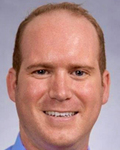 | Casey Tiefenthaler, PharmD, BCPP, Inpatient Psychiatric Pharmacist, University of California, San Diego Health (UCSDH), San Diego, CA Enhancing Gender-Affirming Care Education in Pharmacy SchoolBackground: Dr. Tiefenthaler’s PGY2 research project, “Antidepressant Prescribing Patterns in Transgender Individuals Diagnosed with Gender Dysphoria and Mood or Anxiety Disorders,” underscored the crucial need for culturally and medically competent psychiatric health care professionals (including psychiatric pharmacists) to be at the forefront of addressing mental health disparities for the LGBTQ+ community. In response to this need, he developed the first LGBTQ+ sensitivity training and gender-affirming care (GAC) lecture for his institution’s school of pharmacy in 2022. Format: This initiative originally took shape as a two-hour lecture integrated into the third-year therapeutics curriculum, aiming to enhance students’ awareness, knowledge, and cultural competence in LGBTQ+ health and gender affirming care (GAC). Following the positive feedback to this lecture, he expanded the effort the subsequent year by introducing a clinical case to the students’ weekly one-hour therapeutics case conference. This addition offered a simulated opportunity for learners to develop gender-affirming hormone therapy (GAH) treatment plans for patients with concurrent psychiatric conditions (e.g., identifying drug-drug interaction between a transgender female’s estrogen therapy and lamotrigine for bipolar depression). Building on these successes, he broadened the initiative’s impact through a Grand Rounds presentation delivered jointly to the pharmacy and psychiatry departments while also partnering with the local LGBTQ+ community center, which generously donated pride flag and pronoun healthcare badge stickers distributed after the sensitivity and GAC training. Goals: This initiative is focused on the next generation of health care practitioners. It emphasizes closing the knowledge gap in GAC, while reducing health care disparities for LGBTQ+ individuals. Outcomes: Early survey feedback from previous lectures have been overwhelmingly positive, with students reporting increased confidence and knowledge in providing GAC, especially following the 1-hour conference case. |